
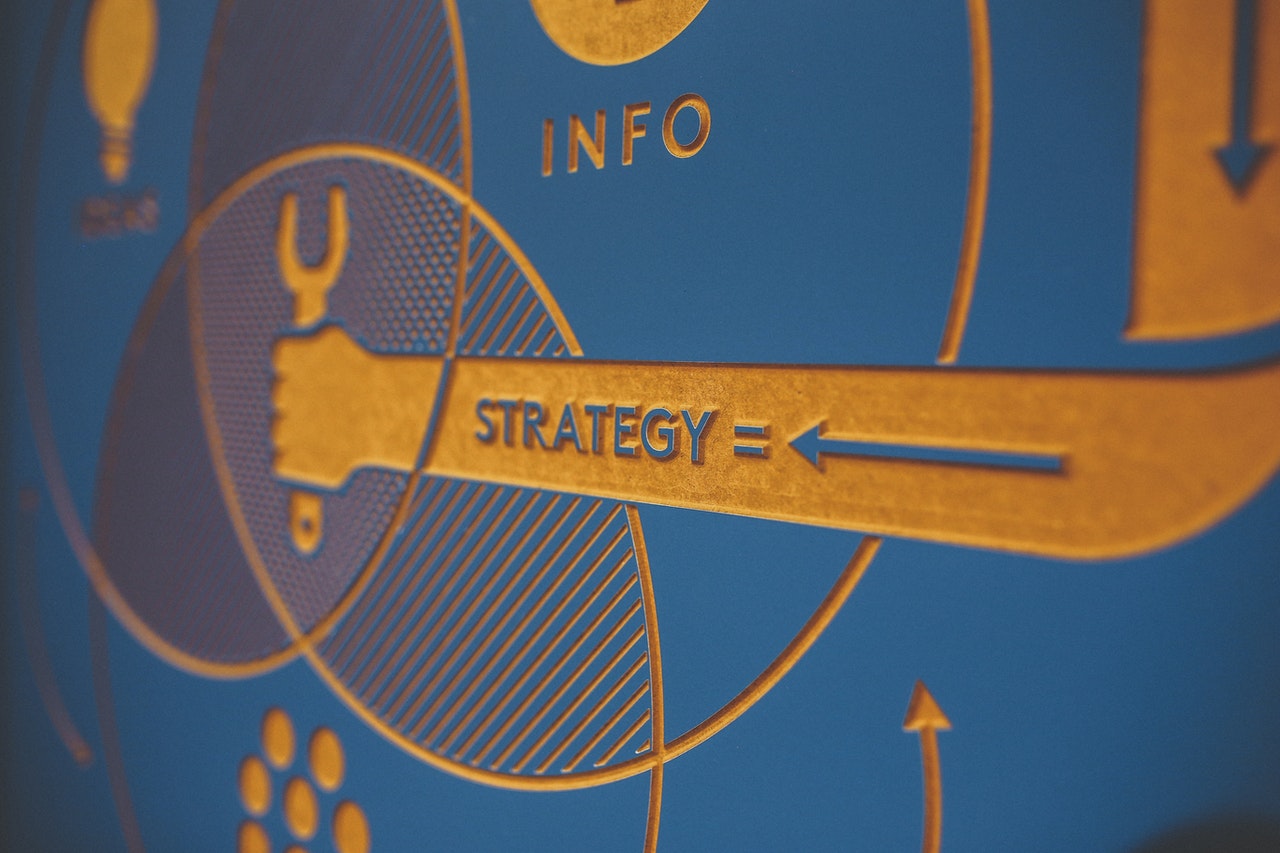
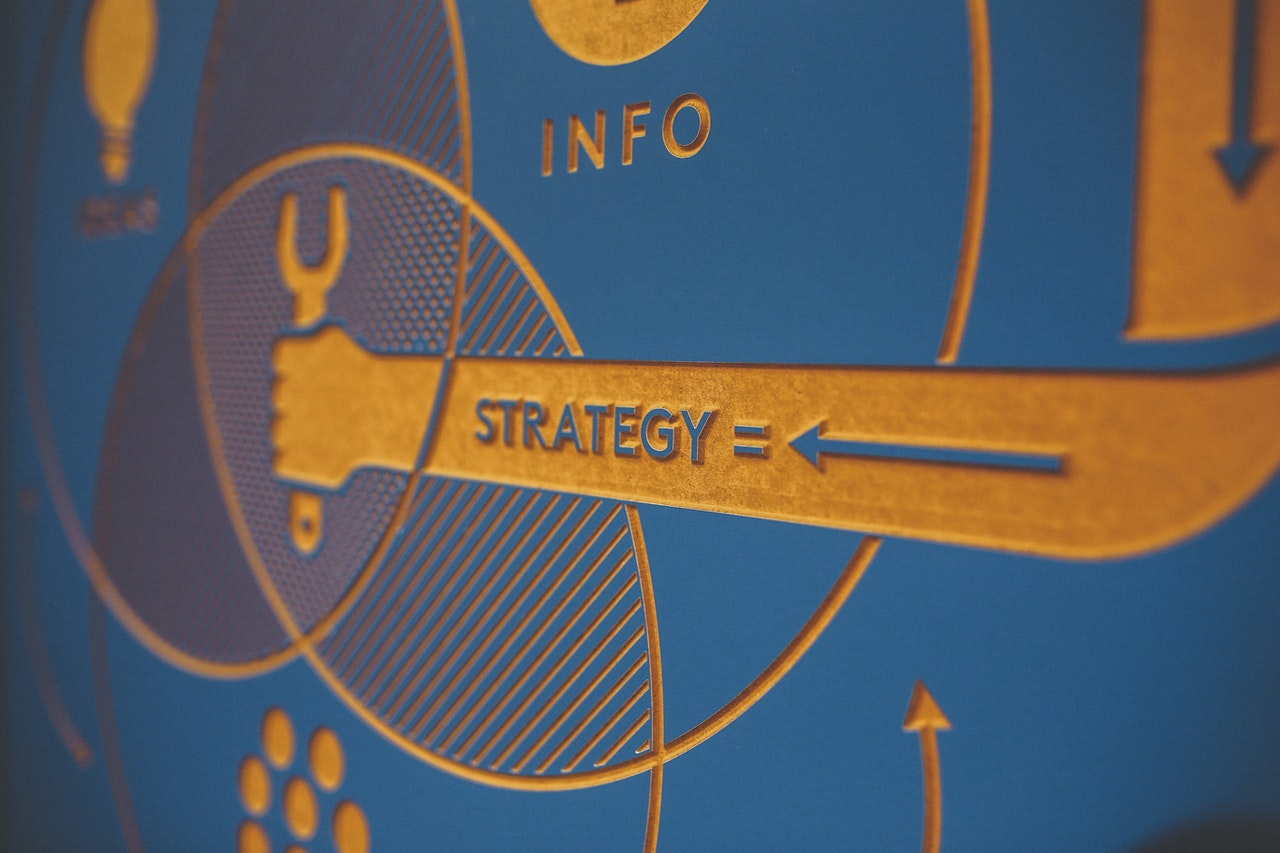
The core in successful marketing is finding the right marketing strategy, which includes your brand message, timing and methods of communication, to reach and influence your target audience.
Defining Marketing.
In a nutshell, marketing is the process of teaching consumers why they should choose your product or service as opposed to those of your competitors, and is a form of persuasive communication. It comprises every process involved in moving a product or service from your business to your target consumer. It includes developing the concept for your product or service, identifying who is most likely to purchase it, the promotion of it, as well as moving it along the appropriate channels of selling. There are three primary functions of marketing:
Winning and capturing the attention of your target market.
The persuasion of consumers to purchase your products.
Providing your target customer with specific, low-risk actions which are easy to take.
Should the objective of your business be to sell more products or services, then it is marketing which will help you achieve this goal. Anything which is used to communicate with your target customers in ways which persuade them to purchase your products or services is marketing, and this includes, advertising, social media, coupons, sales and even how products are displayed.
The Four Stages Of Marketing.
Businesses will go through multiple stages of marketing to ensure that their products or services are ready for the consumer.
Ideation. Marketing begins when you develop your idea for a product or service. Before launching your product or service, you need to decide what you’ll be selling, how many options are available, as well as how it will be packaged and presented to your target consumers.
Researching and testing. Before taking your idea public, you need to conduct marketing research and testing. Usually, marketing departments test new product concepts via focus groups and surveys, to determine consumer interest, refine their product ideas as well as decide what prices to set. Active research into your competition can help you set optimal prices as well as generate ideas for positioning your brand in existing markets.
Advertising. The information which you gather in your research will help you clearly define your marketing strategy and create advertising campaigns. Campaigns take many forms of media, events, direct advertising, paid partnerships, PR and more. Before starting an advertising campaign, you need to set reliable benchmarks which you can use to measure how effective your advertising campaign is.
Selling. It would be best if you determined where and how you plan to sell to customers. For instance, consumer product companies sell to wholesalers, who then sell to retailers. However, in the industrial market, the buying process is longer and involves more decision-makers. You could opt to sell locally, nationally or even internationally, and many companies might only sell their products or services online. Your distribution and sales channels affect who purchases your products when they buy them and how they buy them.
The Four Ps Of Marketing.
The four stages of marketing can also be aligned with another popular marketing model, dubbed the Four Ps of Marketing. The Four Ps are product, price, promotion, and place.
Product. Refers to the procedures you have set to make sure that your products are ready to be sold. Your product or service needs to fill a gap in your market, meet your customer’s needs as well as stand out from the competition.
Price. This refers to the cost of purchase, including your price tag as well as any quantifiable trade-offs which customers must be willing to make when they buy your products.
Promotion. The information you feed your consumers through targeted advertising to generate interest in your products or services. Promotions commonly have one or two purposes, namely generating leads or initiating actual purchases.
Place. This refers to how and where your products are sold. Every distribution decision should form part of your overall marketing processes.
Forms of advertising.
There are many kinds of advertising which you can utilise to promote your small business, educate customers as to your products and of course, generate sales. Print media, radio, and TV are types of advertising, the same as direct mail, email, and internet marketing. If you have a business website, it needs to be optimised for search to help consumers find it via search engines such as Google, Yahoo!, and Bing. Furthermore, newsletters, press releases, and articles are also forms of marketing utilised to capture leads and generate sales. Many companies also use referral marketing, which is when satisfied customers refer others (often for incentives) to increase business.
The advent and rise of social media platforms have cemented the importance of social media marketing, including connecting with consumers via social media by enticing them to follow your business, partnering with influencers via product placement or paid sponsorships and paying for social media ads on platforms such as Facebook, Instagram and Twitter. The forms of advertising you opt for will depend on your business, budget and of course your customer preferences.
Conclusion:
The marketing process starts at the idea of your product or service, and continues until the said product or service falls into the “hands” of the consumer who purchased it. Even after a customer has bought from you, your marketing efforts should not end - in fact, a portion of advertising should also be targeted at your current client base to ensure that they remain customers and increase brand loyalty.
If you require any assistance with your marketing efforts, we suggest that you visit the Barrk Marketing business page to access their services and contact information to get a head start!