

Buy Sunflower Oil Online from Reliable exporters

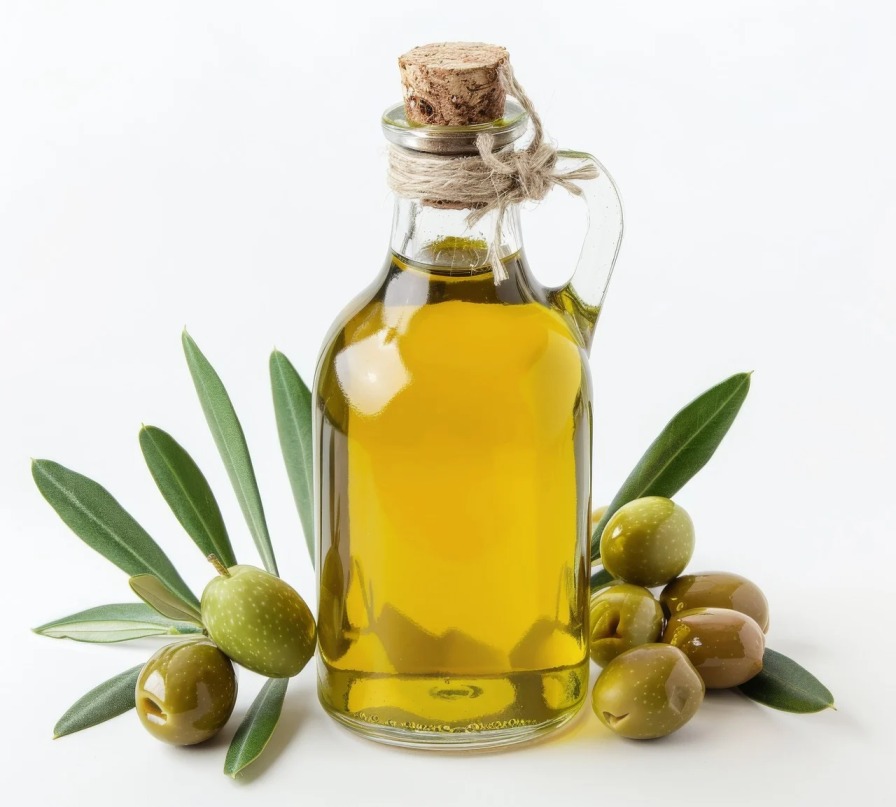
Organic refined sunflower oil has been making waves in the world of health-conscious cooking, offering a blend of light flavor, nutritional value, and high versatility. This blog post dives into what makes organic refined sunflower oil stand out, its array of health benefits, and the careful process behind its production.
Why Choose Organic Refined Sunflower Oil?
Sunflower oil, derived from the seeds of the sunflower plant (‘Helianthus annuus’), holds a special place in kitchens around the world. Opting for organic means the seeds are cultivated without synthetic pesticides or fertilizers, adhering to eco-friendly farming practices that emphasize sustainability and purity. The refinement process helps ensure the oil remains free from impurities while preserving its essential health properties.
Top Health Benefits of Organic Refined Sunflower Oil
- Rich in Healthy Fats: This oil is high in unsaturated fats, such as linoleic and oleic acids. These heart-friendly fats can contribute to lowering bad cholesterol levels, promoting cardiovascular health.
- Packed with Vitamin E: Organic refined sunflower oil is a notable source of vitamin E, an antioxidant that supports skin health and protects the body’s cells from oxidative stress.
- Easy on Digestion: With its light texture, this oil is easy to digest, making it a popular choice for various cooking methods.
- High Smoke Point: With a smoke point above 400°F (204°C), it is perfect for high-heat cooking such as frying and sautéing, without breaking down into harmful compounds.
How Is Organic Refined Sunflower Oil Made?
- Sourcing the Seeds: It all begins with sourcing premium, non-GMO, organic sunflower seeds. These seeds are grown following strict organic standards to avoid chemical inputs, ensuring that the oil produced is pure and healthy.
- Extraction Methods: The seeds undergo cleaning and preparation for extraction. Leading manufacturers often use cold-pressing or low-heat mechanical extraction to maintain the oil’s nutrient profile and delicate flavor.
- Refinement Process: The oil then goes through refinement, which may include natural processes like neutralization, bleaching, and deodorization. Organic standards require these methods to be non-synthetic to keep the oil’s organic certification intact while removing impurities and extending shelf life.
Ensuring Quality with Certifications
High-quality manufacturers strive for certifications such as USDA Organic, ISO 22000, and Non-GMO Project Verified. These certifications signal adherence to strict safety and quality standards. Routine third-party audits and compliance with Good Manufacturing Practices (GMP) help maintain consumer trust and product reliability.
Sustainability and Environmental Impact
Choosing organic refined sunflower oil supports more than just a healthy lifestyle—it supports the planet. Organic farming practices used to cultivate sunflower seeds promote soil health, reduce water pollution, and enhance biodiversity. By selecting organic products, consumers can play a role in encouraging sustainable agricultural practices that contribute to long-term environmental health.
Final Thoughts
Organic refined sunflower oil is more than just an ingredient; it’s a commitment to quality, health, and sustainability. With its array of health benefits, high smoke point, and eco-friendly production, it’s a fantastic addition to any kitchen. By choosing organic refined sunflower oil, you’re making a choice that’s good for you and good for the planet.
So, the next time you’re looking for a versatile, healthy oil, consider making organic refined sunflower oil your go-to option. Your body and the environment will thank you!