
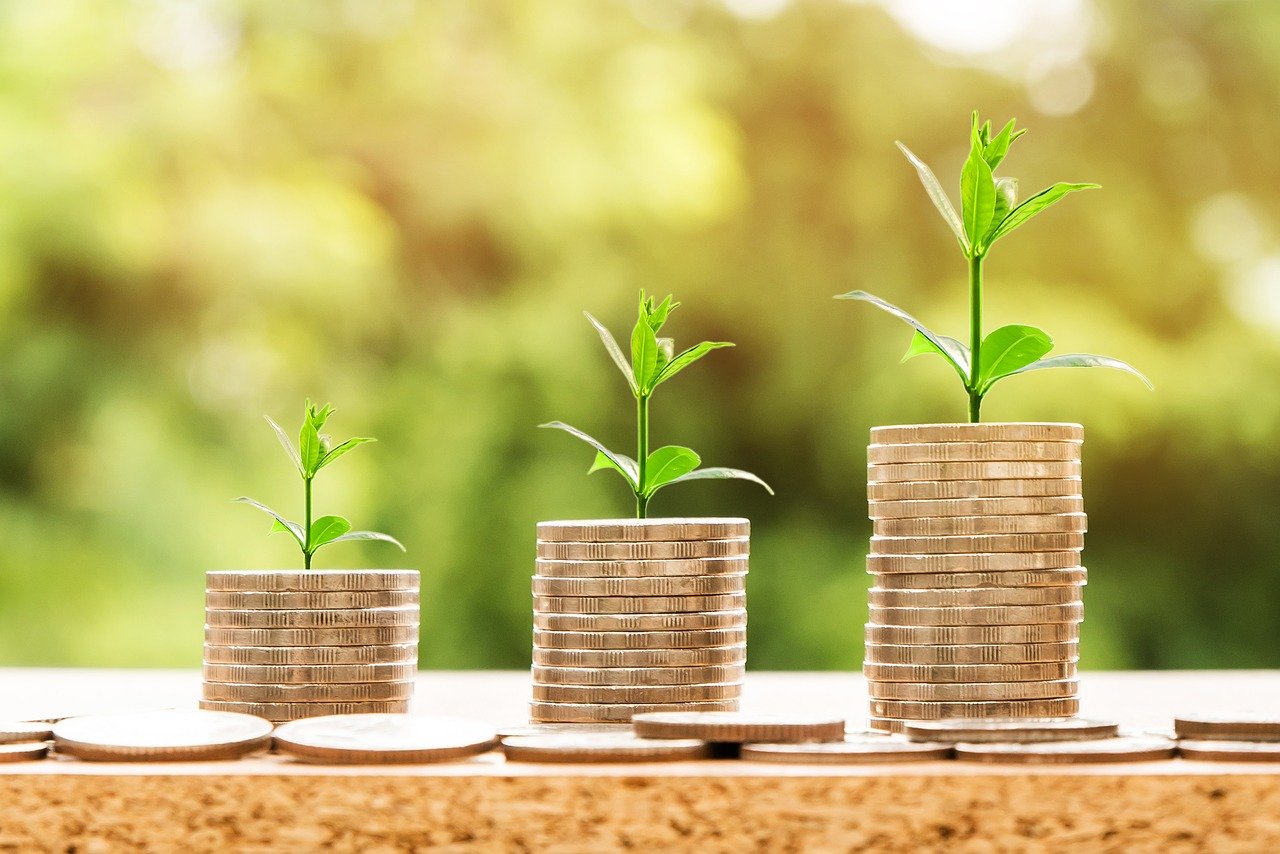
The growth of your new business is something that does not need to happen overnight. Startups should celebrate small victories along their journey of growth.
Many businesses misuse the term scale, commonly as shorthand for growing, expansion into new territories and acquiring customers quickly. Simply put, the term is often misused as a synonym for fast growth.
The truth is, scaling refers to bringing in new customers, and as a result, notably improving the business profit margins. Perhaps your business's unit economics don't improve as you acquire customers, this means it hasn't genuinely scaled, but simply grown.
Proper scaling requires a sustainable growth mindset. Any business owner guided by the teachings of a sustainable growth mindset knows that he or she needs more than just a desirable idea or product. The concept of scaling in business doesn't operate under the false notion that enough customers will lead to conquering the cost aspects of a company and transform into Amazon. This mindset shuns the growth-at-all-costs drive that concentrates on procuring customer after customer.
It's common among startups that growth will solve all of a company's problems, and this could be a leading contributor to 70% of all startups scaling prematurely. We believe that this growth-as-panacea mantra is risky, if not dangerous, as it relies on growth as a constant without taking into account, the harsh realities of the economy, such as the current COVID-19 pandemic.
It all boils down to growth versus scale. Companies who scale correctly might grow as fast, but they'll gain an invaluable infrastructure to ensure that they are financially sustainable. On the opposite end of the spectrum, growing your business without the proper foundations can put your company at risk, including operation expenses, miscommunications and ultimately significant blunders that could damage your long-term viability.
Take the time to conduct a company performance review.
Don't skimp on the time required to review your business's financial performance which includes every level of profit and loss. Be sure to not get too distracted in your company's growth that you mistake the reasons for your business thriving or neglect to remember all your operating expenses.
Determine whether you can quickly explain the significant drivers in revenue, costs of goods sold and operating costs. Dive in and surmise the circumstances of why operating expenses are so high, why they've changed and where they might be heading.
For growth-oriented businesses, this inspection signifies a change in perspective. It's a critical point: If you don't understand where the company's ledgers are now, you'll have no understanding of where to take your business next.
Perhaps you have a great product and are thriving – when the market is doing well. However, once you get into a recession, your clients' diminished spending could effortlessly cut as much as 20% off your growth. With your runway abruptly becoming much smaller and your losses increasing, you won't be able to hit the dynamic pillars you set to advocate further funding. However, if you take the time to create a meticulously comprehensive picture of your resources, you'll determine what you need to attribute to the economy as well as internally. Following this, you'll be able to recalibrate your funding goals and revenue milestones appropriately.
Cultivate a vision for sustainable growth.
The definition of sustainable growth is harmonious, but the implementation varies from company to company. To ascertain yours, you need to articulate – to yourself and others – what sustainable growth implies. Embrace the principle that growth signifies a clear line of sight to profitability in a reasonable time frame and then determine what "reasonable" means for your business.
For many, this could mean six months, for others, it could involve as much as three years. That lead time is a function of the company's funding cushion, and "reasonable" means supplying yourself time to become profitable before burning through your cash flow. By getting this wrong, you could end selecting the incorrect strategies for your business.
For many companies, a vision for sustainable growth requires patience and waiting for existing markets to pay back a little more before expanding into the next. Businesses who tend to operate this way, usually wait until their returns are sufficient enough to advocate extended investment.
However, executing visions of sustainable growth this way can be challenging. It could mean cutting off investments you've made previously. Many economics textbooks remind us that past investments should be seen as sunk costs, but any business owner's heart will remember the passion and strategies put into them. That's why the proper creation and execution of a vision in sustainable growth is critical.
Mould your business sustainable-growth culture by building up from small wins.
If you complete a full financial evaluation and determine you can grow adequately only through significant changes, you've missed the point. You need to consider all the more modest indicators of growth. Building sustainable growth is about the culture you conceive, and that culture needs to identify and commemorate the smaller bits that make up the bigger picture. We suggest starting by envisioning a clear vision of the future at a company level. Many businesses assign teams the authority to assess what they can fulfil in a short period, such as a two-week window, and motivate managers to prioritise initiatives based on time and impact.
Usually, within a small period, employees become proficient at identifying high-return, low investment opportunities.
At the same time, never ignore the small victories which indicate future sustainable growth as you move along. Frequently, the more modest triumphs facilitate concealed gains and signal the company to be aware not just costs, but also the tactics they need to administer for growth – and those reminders are genuinely important. This will guard you against executing significant changes based on outside, temporary events like an economic slowdown.
Businesses hellbent on growth at all costs do succeed, sometimes, but it's too familiar that these companies pit themselves in a race against time and their burn rates. To avoid becoming one of those businesses that fail, you need to protect yourself from the outset, by generating a sustainable-growth vision which every employee in your company shares and understands. The bottom line is that your business growth ambitions require that everyone is on board.