
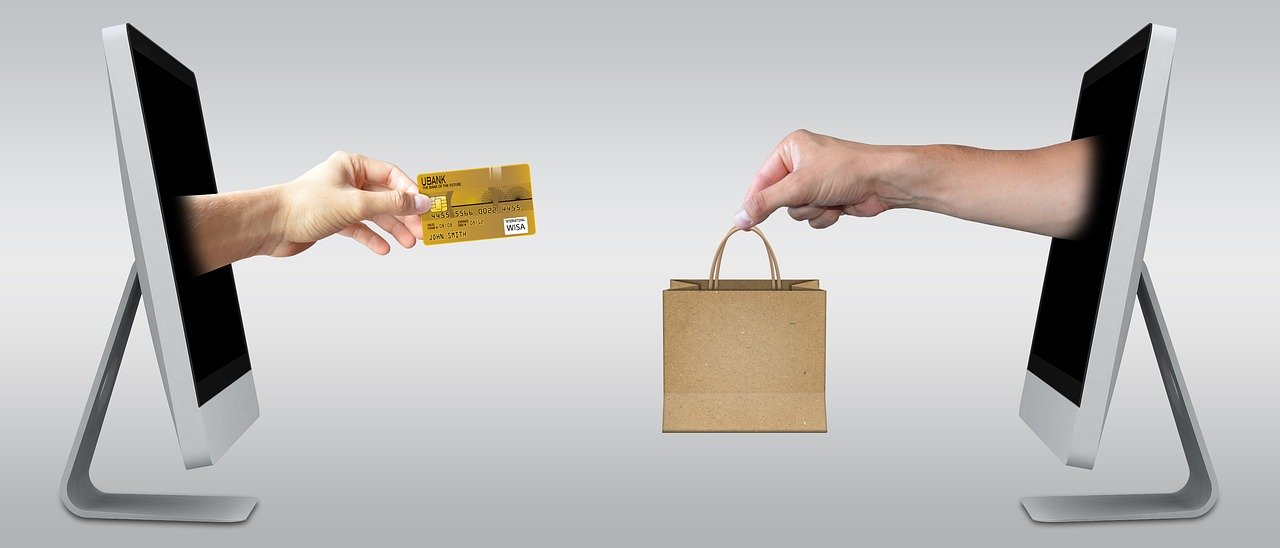
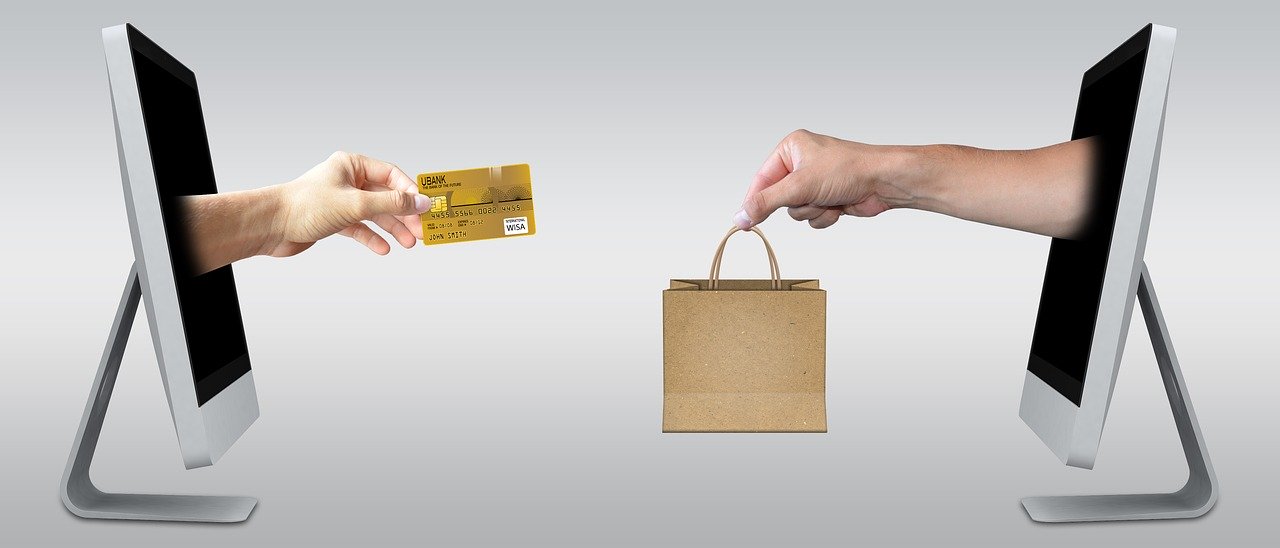
Payment gateways have become a household name for e-Commerce business owners in South Africa and internationally. In short, they are one form of payment option by which e-Commerce sites receive income for products or services sold. In this piece, we take a look at what payment gateways are, how they work and why your e-commerce website should have one or many.
What is a payment gateway?
A payment gateway approves the transfer of funds between customers and merchants. It allows your e-commerce site to request money from a customer’s bank for products or services purchased. Once approved, payments are securely transferred to your bank. There are many payment gateway options available in South Africa, for instance, PayFast, which many South Africans are familiar with in their online shopping habits.
How do payment gateways work?
e-Commerce business owners seeking to implement payment gateways on their websites have to consider several decisions. Two crucial elements are related to the type of merchant account you select and ensuring that all customer payments are secure.
Of course, in specific scenarios, there may be minor changes in the process, for instance, when charge-backs or refunds occur, but most transactions are carried out like this:
At the checkout window, a merchant’s website sends the encrypted payment details to the payment gateway.
Customers browse your e-commerce site via a desktop or mobile, select their items and add to their shopping carts, and then proceed to the checkout page. Commonly, as part of the checkout process, consumers are asked to confirm their order details by completing billing information and shipping details. The next step is the submit the order by pressing “order” or “pay now”. Following this, the consumer’s web browser encrypts all payment information which is then sent to your web server. The process is completed via Secure Socket Layer (SSL) encryption, which requires merchants to have SSL certificates.
At this point, the gateway app on your site, i.e. PayFast or other, forwards all the transactional details, once again via SSL encryption to the payment gateway. The payment gateway then sends the encrypted data packets to the payment processor used by your bank. Following this, the process forwards this to the customer’s card association, i.e. Mastercard or Visa. This card association routes the transaction to the bank, which issued the card to the customer. The customer’s bank receives the requests and checks whether the funds are available to cover the transaction. At this point, the customer’s bank responds to the payment processor with a code which indicates if the request is approved or declined.
The response is then sent from the payment processor back to the payment gateway, which in turn forwards the response to your website, which it interprets and passes on to you as the merchant and the customer checking out. Remarkably, explaining and reading how this work takes far longer than a couple of seconds in which all this occurs.
If the customer’s payment is approved, you send the authorisation, via the payment processor again, to your bank, as part of a batch, which gets processed. Your website’s bank deposits all approved funds into either your merchant account or into the aggregated merchant account which belongs to PayFast or whichever payment gateway service you use.
Lastly, from that merchant account, the payment is transferred into your business’s bank account.
Why your e-Commerce site needs a payment gateway.
Payment gateways offer secure, seamless experiences for your customers to purchase multiple channels with several major payment forms. PayFast supports seven popular payment methods and integrates with more than eighty platforms and custom integrations. So no matter what platform you use, PayFast will enable you to get paid online.